
- Acupuncture & Eastern Integrative Medicine521 Lake Ave., Suite 1
Lake Worth Beach, FL 33460512-791-2910 

Research
Finding Relief: The Benefits of Acupuncture for Treating Chronic Pain

According to a study published in 2023, approximately 51 million people in the United States suffer from chronic pain, with about 17 million of those suffering from high-impact chronic pain. Those who suffer from chronic pain find their lives altered in difficult ways. The search for relief is constant. Traditional medicine offers various prescription medications, but if you are looking for a more natural path to healing and wellness, acupuncture should be at the top of your list. continue reading
Research Finds Acupuncture Effective for Chronic Pain
STORY HIGHLIGHTS
- A meta-analysis published in the Journal of Pain has concluded that acupuncture is effective for a number of chronic pain conditions.
- Results indicated that the effects of acupuncture were persistent over time, and that the benefits could not be explained away by the placebo effect.
- Family physicians may not feel comfortable prescribing these treatments without receiving guidance and training in the benefits, harms and indications.
https://www.aafp.org/news/health-of-the-public/20180521acupuncture.html
Pain: Is It All in the Brain or the Heart?
Abstract
Purpose of review: Scientists have reported that pain is always created by the brain. This may not be entirely true. Pain is not only a sensory experience, but also can be associated with emotional, cognitive, and social components. The heart is considered the source of emotions, desire, and wisdom. Therefore, the aim of this article was to review the available evidence about the role of the heart in pain modulation.
Recent findings: Dr. Armour, in 1991, discovered that the heart has its “little brain” or “intrinsic cardiac nervous system.” This “heart brain” is composed of approximately 40,000 neurons that are alike neurons in the brain, meaning that the heart has its own nervous system. In addition, the heart communicates with the brain in many methods: neurologically, biochemically, biophysically, and energetically. The vagus nerve, which is 80% afferent, carries information from the heart and other internal organs to the brain. Signals from the “heart brain” redirect to the medulla, hypothalamus, thalamus, and amygdala and the cerebral cortex. Thus, the heart sends more signals to the brain than vice versa. Research has demonstrated that pain perception is modulated by neural pathways and methods targeting the heart such as vagus nerve stimulation and heart-rhythm coherence feedback techniques. The heart is not just a pump. It has its neural network or “little brain.” The methods targeting the heart modulate pain regions in the brain. These methods seem to modulate the key changes that occur in the brain regions and are involved in the cognitive and emotional factors of pain. Thus, the heart is probably a key moderator of pain.
Does Acupuncture Treat Heart Disease?
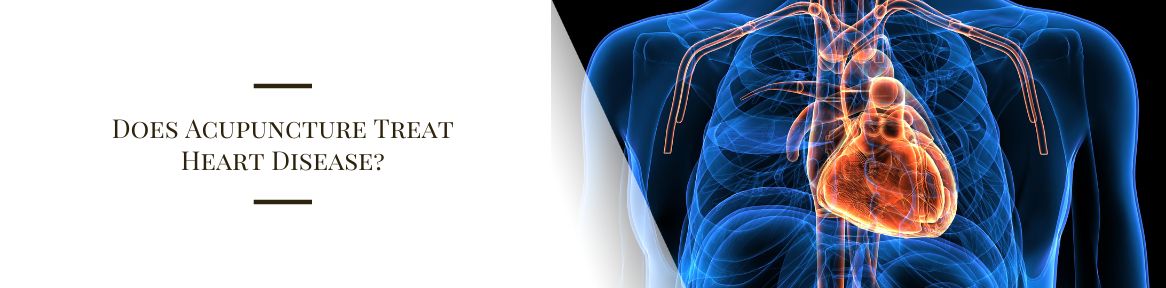
According to the Centers for Disease Control and Prevention, heart disease is the leading cause of death for men and women in the United States. And ethnicity doesn’t matter, as people of all racial and ethnic groups are impacted. With such serious statistics, many might wonder what treatment options are available. Did you know that acupuncture can help with treating heart disease, as well as many of its contributing factors? Read on to learn how. continue reading
A Randomized Evaluator Blinded Study of Effect of Microneedling in Androgenetic Alopecia
Dermal papilla (DP) is the site of expression of various hair growth related genes. Various researches have demonstrated the underlying importance of Wnt proteins and wound growth factors in stimulating DP associated stem cells. Microneedling works by stimulation of stem cells and inducing activation of growth factors.